
In engineering projects, every peak mobilization phase is a period of intense pressure on both schedule and resources.
Whether it involves multiple new projects starting simultaneously or several work scopes running in parallel, activities such as welding, air blowing, pressure testing, and chemical cleaning are often carried out at the same time.
At this stage, a recurring issue frequently emerges:
**manpower is already in place, but site conditions are not fully ready.**
Labor can be mobilized in advance, but when key equipment is insufficient or mismatched, progress inevitably slows.
Among all supporting systems, the **compressed air supply** is particularly prone to becoming a critical bottleneck.
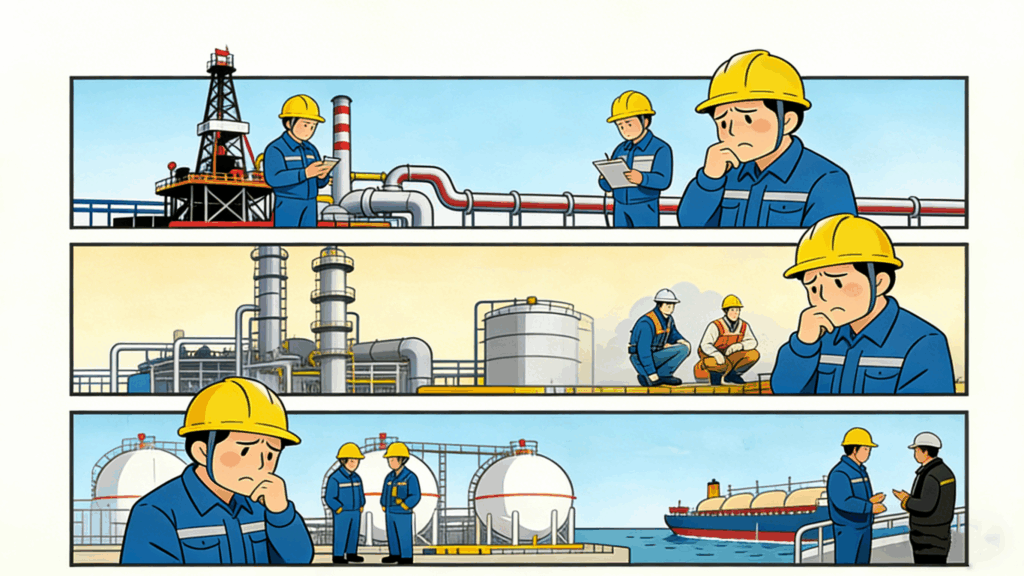
I. Why Do Projects Tend to “Wait for Equipment” During Peak Mobilization?
1. Parallel work scopes rapidly amplify air demand
During peak mobilization, multiple operations often require compressed air simultaneously:
* Air blowing demands high flow rates and continuous operation
* Pressure testing requires stable and consistent pressure
* Welding and instrumentation work depend on uninterrupted air supply
However, on-site air systems are typically designed based on **normal construction pacing**.
When several work scopes start at the same time, system capacity is quickly pushed to its limit, leaving little to no spare margin in oil-free air compressor capacity.
2. Unstable air conditions directly affect critical milestones
Under high-load operation, site conditions may expose issues such as:
* Actual dew point failing to meet process requirements
* Pressure fluctuations disrupting pressure testing continuity
* Excessive system pressure drop reducing overall air delivery
These are not necessarily equipment failures, but they are sufficient to prevent key operations from progressing smoothly.
Under schedule pressure, a more effective solution is often to **rapidly supplement the site with a stable air supply through Oil-Free Air Compressor Rental**, rather than repeatedly adjusting and waiting for on-site verification.
3. Simultaneous project or package start-ups disperse equipment resources
Peak mobilization rarely involves a single work package.
More often, multiple projects or packages advance at the same time, further intensifying equipment constraints:
* Limited number of available air supply units
* Highly overlapping usage periods
* Different work scopes with varying air quality and parameter requirements
This often leads to a familiar situation:
**those who secure equipment move forward, while others are forced to wait.**
In industrial projects, waiting itself often translates into increased cost and risk.
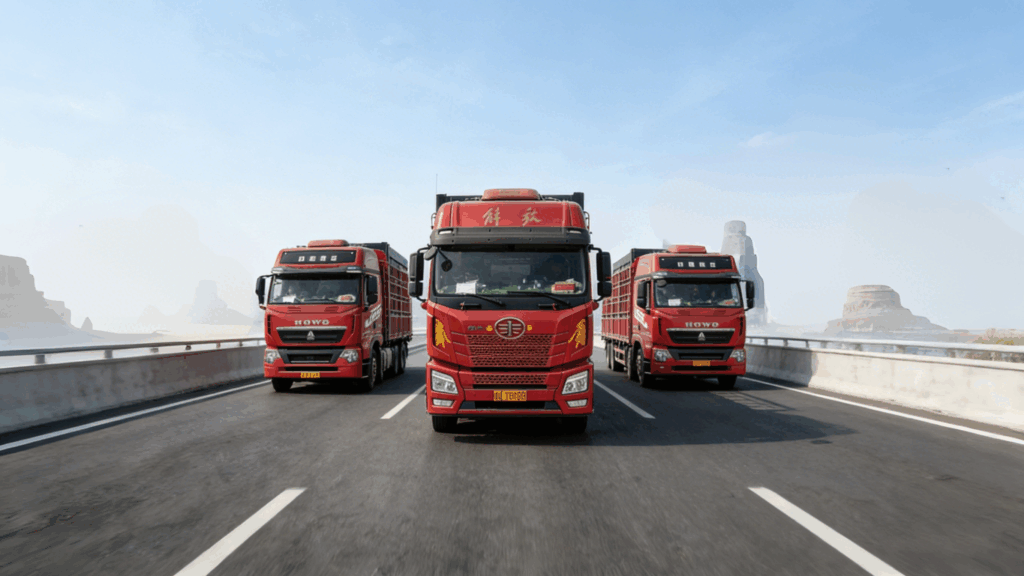
II. Why Are More Industrial Projects Choosing Oil-Free Air Compressor Rental?
The underlying logic is straightforward:
**labor is a rigid resource, while equipment must remain flexible.**
During peak mobilization, any equipment that cannot be adjusted quickly becomes a direct constraint on project execution.
1. Equipment configuration can be adjusted in line with work scope changes
Different stages of construction impose different requirements on air supply.
Through Oil-Free Air Compressor Rental, projects can flexibly:
* Increase or reduce air flow as needed
* Switch pressure levels based on work scope
* Control dew point according to process requirements
* Add standby units to reduce single-point risk
As project rhythm changes, equipment configuration adapts accordingly—rather than the project being forced to adapt to equipment limitations.
2. When site conditions do not match requirements, rental is a more efficient solution
During peak mobilization, time is often more critical than equipment ownership.
When air supply conditions begin to constrain progress, it is usually more effective to **quickly close the gap through Oil-Free Air Compressor Rental** than to prolong on-site adjustments and verification.
This is why rental solutions are widely adopted in high-tempo industries such as petrochemical, energy, and power projects.
3. Rental equipment offers clearer status and more controllable risk
FOOENS rental portfolio—including **oil-free air compressors and nitrogen generators**—is maintained in a state ready for immediate deployment.
Each unit undergoes systematic inspection and pressure testing prior to dispatch, ensuring clear operating status and traceable performance parameters.
During peak mobilization, compared with temporarily assembled systems or overloading on-site equipment, **rental equipment with verified condition and stable performance provides a more reliable basis for risk control.**
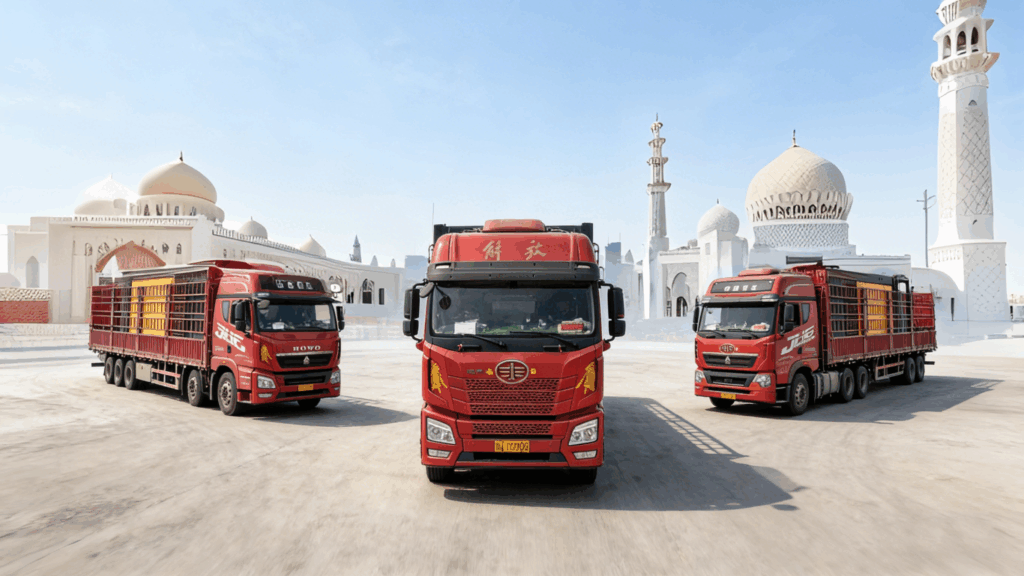
III. Local Warehousing and Standardized Processes Determine Whether Equipment Can Truly Keep Pace
During peak mobilization, the value of equipment lies not only in availability, but in whether it can arrive quickly and be put into service immediately.
1. Multi-location warehousing reduces mobilization time
FOOENS maintains equipment stock across multiple regional warehouses, avoiding long-distance cross-region transfers.
When sites encounter temporary air demand increases, insufficient capacity, or parameter mismatches, equipment can be **mobilized locally and deployed rapidly**.
2. Ready for operation upon arrival, minimizing on-site waiting
All equipment is cleaned, pressure-tested, and parameter-verified before dispatch.
Upon arrival at site, units can be directly integrated into the system, reducing delays caused by additional commissioning.
3. Standardized configuration packages shorten communication cycles
For common Oil-Free Air Compressor Rental applications—such as air blowing, pressure testing, chemical cleaning, circulation air, and temporary capacity expansion—FOOENS engineering teams prepare standardized configuration packages in advance.
This minimizes repeated clarification and on-site adjustments, ensuring equipment setup aligns closely with actual operating conditions.
During peak mobilization, the real differentiator is not who deploys more people,
but **who waits less, responds faster, and executes more steadily**.
FOOENS Oil-Free Air Compressor Rental services transform equipment into a flexible, controllable, and rapidly deployable resource.
They help industrial projects avoid the passive situation where manpower is ready but progress is constrained by equipment conditions—stabilizing execution, reducing risk, and supporting efficient project delivery during critical phases.
 English